
Living an active lifestyle in a close-knit neighborhood like Palma Ceia often means balancing work, family, and personal well-being. Fitness is no longer viewed as a short-term goal but as a sustainable practice that supports physical health, mental clarity, and long-term vitality. Many individuals seek structured guidance to improve their strength, flexibility, and overall conditioning in a way that aligns with their daily routines and personal goals.
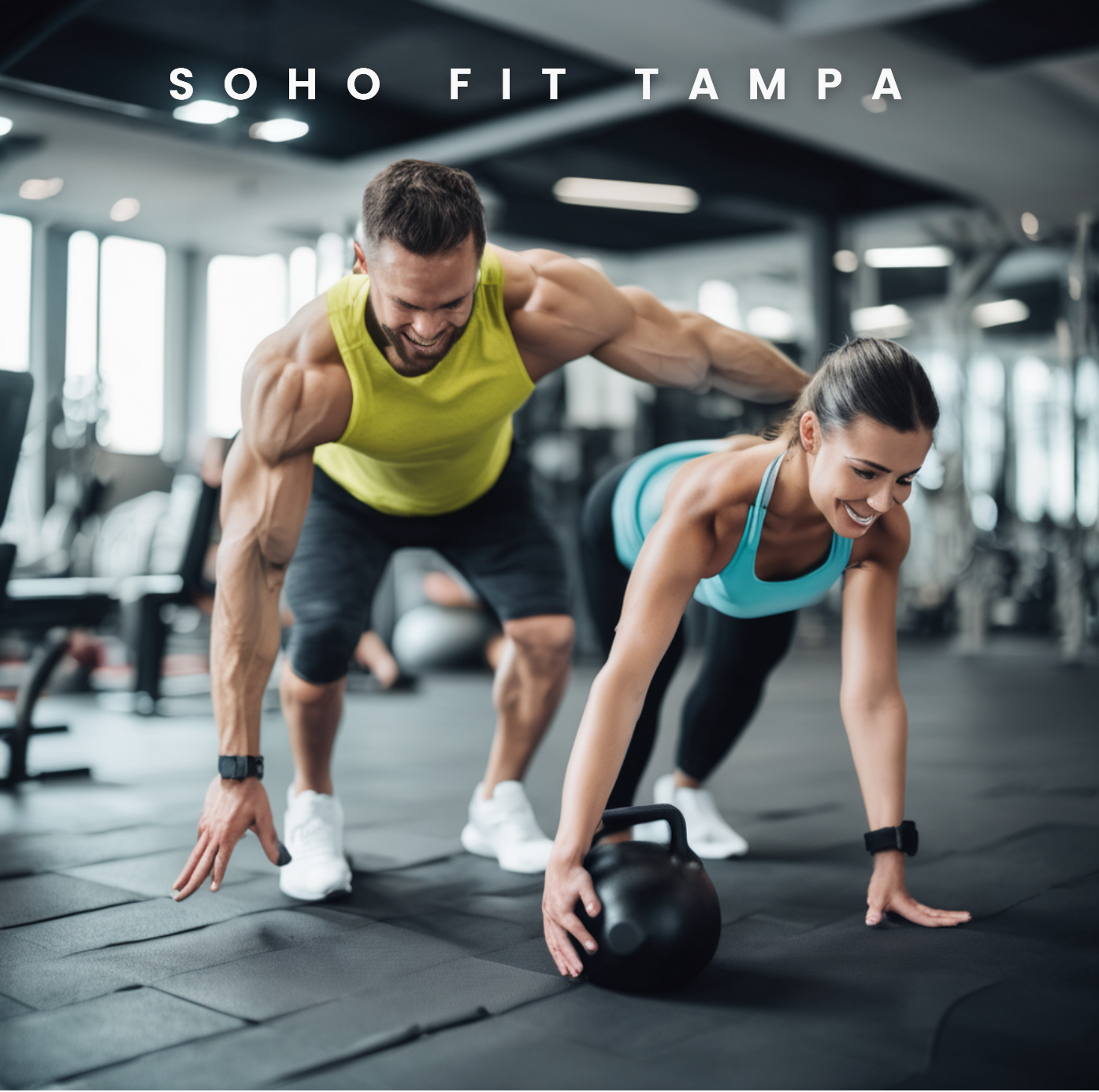
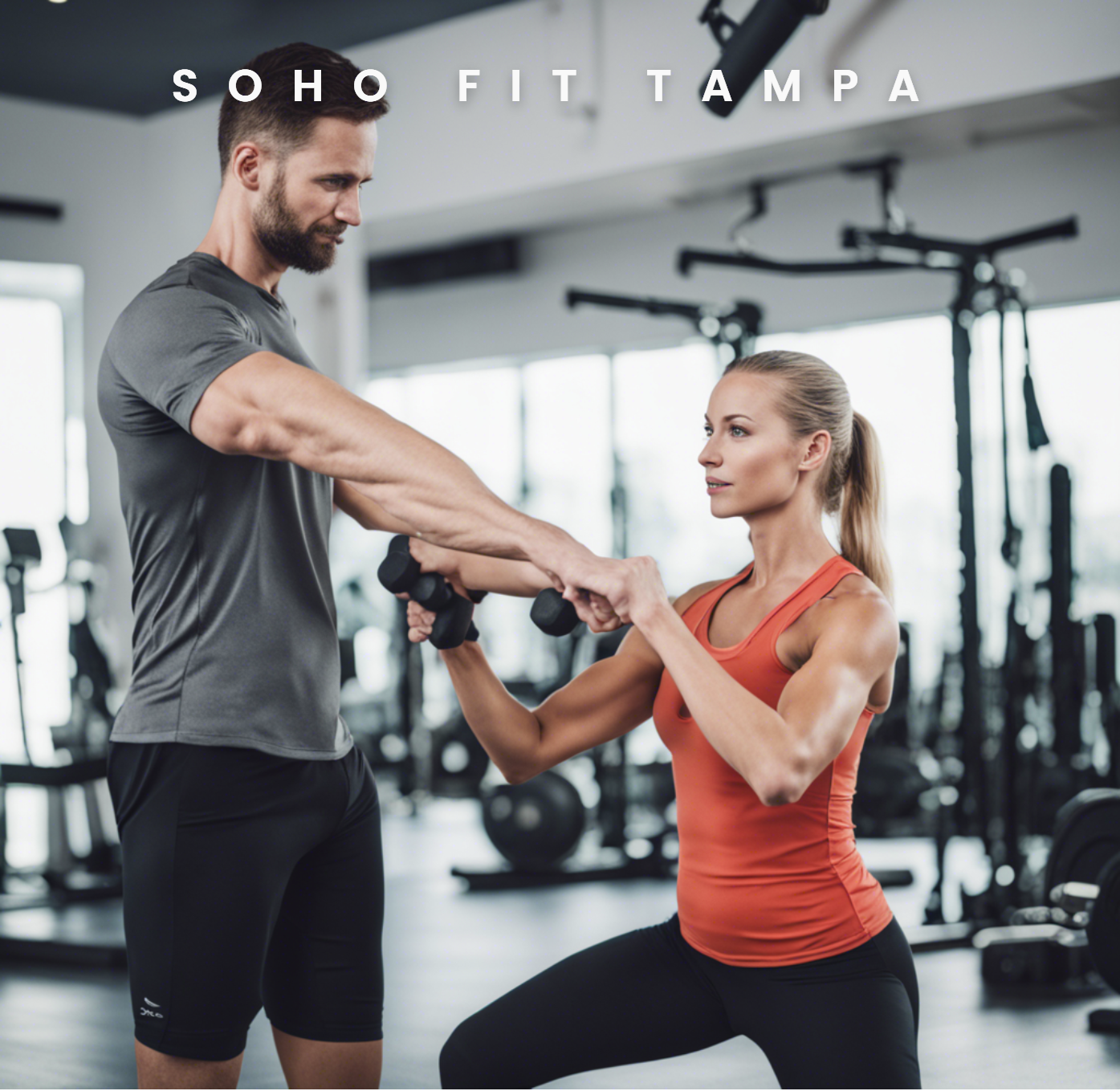
A Personal Trainer Palma Ceia approach focuses on individualized movement strategies rather than one-size-fits-all workout plans. This type of training emphasizes understanding how the body responds to stress, recovery, and progressive challenges. Residents benefit from tailored programs that consider lifestyle habits, current fitness levels, and long-term aspirations without relying on trends or extreme methods.
Fitness guidance in this context is about education as much as performance. Learning correct movement patterns, understanding recovery needs, and developing consistency can help individuals avoid burnout and injury. Over time, this balanced approach fosters confidence, discipline, and a healthier relationship with exercise.
Understanding Individual Fitness Needs
Every body moves differently, and recognizing those differences is key to building effective fitness routines. Factors such as age, mobility, injury history, and daily activity levels all influence how a person should train. Customized guidance allows individuals to progress at a pace that feels challenging yet manageable.
Rather than focusing only on aesthetics, personalized fitness emphasizes functional strength. This includes improving posture, joint stability, and coordination so that everyday tasks become easier and safer. Over time, these improvements can enhance overall quality of life.
Training sessions often adapt as progress is made. As strength and endurance improve, exercises evolve to maintain engagement and effectiveness. This adaptive process ensures that fitness remains sustainable and aligned with changing needs.
Building Consistency Through Structure
Consistency is one of the most important factors in achieving long-term fitness results. Structured programs help individuals stay accountable while allowing flexibility for busy schedules. When workouts are planned with intention, they become a natural part of daily life rather than an obligation.
A Personal Trainer Palma Ceia framework often integrates realistic scheduling, helping individuals maintain momentum even during demanding weeks. This approach supports gradual progress instead of quick fixes, which are rarely sustainable.
Consistency also builds mental resilience. Showing up regularly, even on low-energy days, reinforces discipline and self-trust. Over time, this mindset extends beyond fitness into other areas of life.
Benefits of Personalized Training
Personalized fitness guidance offers advantages that generic workout plans cannot provide. By focusing on individual strengths and limitations, training becomes more efficient and safer.
Key benefits include:
Improved movement quality and posture
Reduced risk of injury through proper technique
Gradual strength and endurance development
Enhanced motivation through clear goal-setting
Better understanding of body mechanics
Increased confidence in physical abilities
These benefits contribute to a more positive and sustainable fitness journey.
Strength Training for Everyday Life
Strength training is not only about lifting heavier weights. It is about developing the ability to move efficiently and safely in daily activities. Functional strength supports tasks such as carrying groceries, climbing stairs, or maintaining balance.
Programs often incorporate compound movements that engage multiple muscle groups. This approach improves coordination and overall stability. Over time, individuals notice improvements in both physical performance and energy levels.
Balanced strength routines also support joint health. By strengthening surrounding muscles, joints become more stable and resilient, reducing discomfort and stiffness.
Cardiovascular Conditioning and Endurance
Cardiovascular fitness plays a vital role in overall health. It supports heart function, lung capacity, and energy management throughout the day. Personalized cardio plans consider current fitness levels and preferences to keep workouts engaging.
Rather than focusing solely on high-intensity sessions, balanced programs may include steady-state activities, interval training, and active recovery. This variety helps prevent overtraining while promoting endurance.
Benefits of cardiovascular conditioning include:
Improved heart health
Increased stamina for daily tasks
Better stress management
Enhanced recovery between workouts
Support for healthy metabolism
When integrated thoughtfully, cardio becomes a supportive element of a comprehensive fitness plan.
Flexibility and Mobility Training
Flexibility and mobility are often overlooked but are essential for long-term movement health. Mobility training focuses on joint range of motion, while flexibility addresses muscle length and elasticity.
Incorporating these elements helps reduce stiffness and improve movement efficiency. Stretching and mobility exercises also support recovery, allowing the body to adapt to training demands.
Regular mobility work can lead to:
Improved posture and alignment
Reduced muscle tension
Enhanced movement fluidity
Lower risk of strains and injuries
These practices complement strength and cardio training, creating a well-rounded fitness routine.

Mind-Body Connection in Fitness
Fitness is not purely physical; mental engagement plays a significant role in progress. Developing awareness of movement patterns and breathing techniques enhances performance and focus.
Mindful training encourages individuals to listen to their bodies, recognize limits, and respect recovery needs. This awareness helps prevent overexertion and promotes sustainable habits.
A Personal Trainer Palma Ceia style of guidance often emphasizes this connection, fostering a balanced mindset that values progress over perfection.
Nutrition Awareness Without Extremes
While fitness training focuses on movement, basic nutrition awareness supports energy and recovery. Rather than strict diets, many programs encourage mindful eating habits that align with individual lifestyles.
Understanding portion balance, hydration, and nutrient timing can enhance training outcomes. This approach avoids restrictive rules and instead promotes long-term consistency.
Nutrition education may include:
Recognizing hunger and fullness cues
Supporting workouts with balanced meals
Maintaining hydration throughout the day
Understanding recovery nutrition basics
These principles help individuals make informed choices without feeling overwhelmed.
Adapting Fitness Across Life Stages
Fitness needs change over time, and adaptable programs account for these shifts. Whether managing a busy career, recovering from injury, or seeking longevity-focused training, personalized guidance remains relevant.
Adjustments may include modifying intensity, focusing on mobility, or emphasizing recovery. This flexibility ensures that fitness remains accessible and beneficial at every stage of life.
By prioritizing long-term well-being, individuals can maintain active lifestyles without unnecessary strain.
Creating Sustainable Fitness Habits
Sustainability is the foundation of effective fitness. Habits built gradually are more likely to last than drastic changes. Personalized training supports this process by aligning workouts with personal values and routines.
Small, consistent actions compound over time, leading to meaningful results. This approach reduces pressure and fosters enjoyment in movement.
Sustainable habits often include:
Setting realistic, measurable goals
Celebrating progress milestones
Allowing flexibility for life changes
Prioritizing recovery and rest
These practices encourage a balanced relationship with fitness.
Community and Accountability
While fitness is personal, community support can enhance motivation. Shared goals and accountability create a sense of connection and encouragement.
Training environments that foster respect and inclusivity help individuals feel comfortable and supported. This positive atmosphere can make fitness more enjoyable and less intimidating.
Accountability also reinforces commitment. Knowing that progress is being tracked encourages consistency and focus.
Long-Term Impact of Personalized Fitness
Over time, personalized fitness guidance influences more than physical appearance. Improved strength, endurance, and mobility contribute to confidence and independence.
Regular movement supports mental health by reducing stress and improving mood. These benefits extend into daily life, enhancing productivity and overall satisfaction.
A Personal Trainer philosophy centers on long-term wellness rather than quick outcomes, helping individuals build resilient bodies and balanced lifestyles.
Fitness is a journey shaped by individual needs, goals, and experiences. Personalized guidance provides structure, education, and support without relying on promotional claims or extreme methods. By focusing on functional strength, mobility, and consistency, individuals can create sustainable routines that enhance both physical and mental well-being.
Whether starting fresh or refining an existing routine, a thoughtful approach to fitness empowers individuals to move with confidence and purpose.




Write a comment ...